Sleep centre · Brussels

Sleep test in Brussels, overnight in your own bed.

Snoring, breathing pauses, waking up tired, insomnia? A sleep study records your night to understand what is happening and reach a diagnosis. At the CIRCAE sleep centre in Woluwe-Saint-Lambert, you are fitted with the sensors at the centre or at home, then you sleep at home, in your own bed. Fast appointments: your test takes place within two weeks at most.
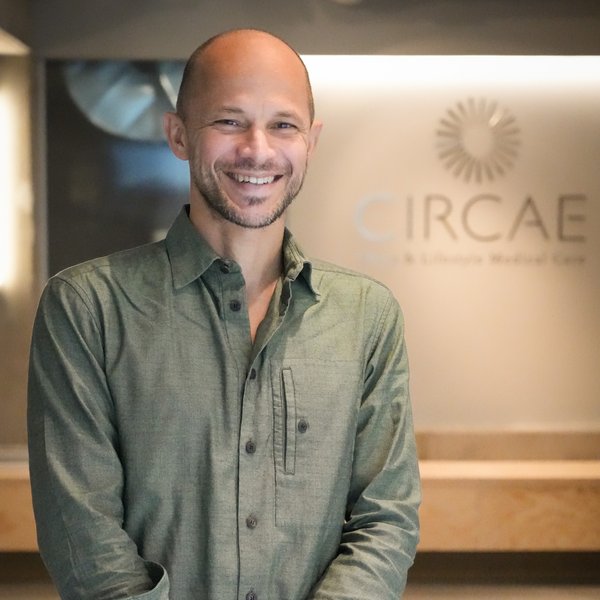
Dr Matthieu Desplan, pulmonologist and sleep physician at the CIRCAE centre in BrusselsDr Matthieu DesplanPulmonologist · Allergist · Sleep and sports medicine

Your sleep test at CIRCAE

Who it is for

When to have a sleep test?

·

Loud snoring or breathing pauses noticed by your partner

·

Waking up tired, daytime sleepiness

·

Persistent insomnia, frequent awakenings

·

Unusual movements at night, restless legs

The studies

Which sleep study?

The sleep physician chooses with you the study best suited to your symptoms. All three take place overnight, at home.

Polysomnography

Gold standard · Comprehensive

The most complete sleep study: brain activity (sleep stages), eye and muscle movements, breathing, oxygen, heart rhythm, snoring and position. It accurately diagnoses sleep apnoea, severe insomnia, parasomnias and restless legs syndrome.

Respiratory polygraphy

Breathing

Records breathing through the nose and mouth, chest and abdominal movements, oxygen, heart rate, snoring and position. Mainly used to diagnose sleep apnoea and to check CPAP or oral appliance treatment.

O2Fellow overnight oximetry

Simple · Non-invasive

A discreet ring on the finger measures oxygen and pulse all night. It detects drops in oxygen, estimates the cardiovascular risk linked to apnoea and, if needed, points towards a more complete study.

How it works

What happens during a sleep test?

  1. Appointment. Book online or by phone. Your test takes place within two weeks at most.
  2. Choosing the study. The sleep physician selects the study best suited to your symptoms: polysomnography, polygraphy or oximetry.
  3. Fitting the sensors. In the late afternoon, our team fits the sensors at the centre or at your home. They are light and stuck on the skin, with no pain and no needles.
  4. The night at home. You sleep in your own bed at your usual times. The device records on its own, you have nothing to do.
  5. The next morning. The sensors are removed and the device comes back to the centre so the recording can be analysed.
  6. Results and treatment. The sleep physician explains the results in consultation and proposes the right treatment, which we follow up at the centre: CPAP machine, oral appliance, insomnia therapy or other measures.
Getting ready

A few tips before the test

The aim is to record a night as close as possible to your usual nights.

  • A normal day: keep your usual schedule and activities.
  • No nap on the day of the test, if possible.
  • No alcohol on the evening of the test, and not too much coffee or tea late in the day.
  • Your usual medication, unless the doctor advises otherwise. Mention any sleeping pills.
  • Clean, dry hair, without gel or hairspray, and no cream on the skin where the sensors go.
  • Comfortable nightwear, worn over the sensors.
Good to know

Waiting time, results and reimbursement

  • Short waiting time: a sleep test within two weeks at most after booking.
  • Results: a full report (sleep duration and stages, apnoea hypopnoea index, oxygen) analysed by the sleep physician and explained in consultation.
  • Reimbursement: reimbursement is possible. Ask the centre, by phone on +32 470 12 43 12.
  • One place: consultation, test, treatment and follow-up all at the CIRCAE centre in Woluwe-Saint-Lambert.

Explore the assessments

Frequently asked questions

The sleep test in questions.

How does a sleep test work?
Our team places small sensors on the skin, at the CIRCAE centre or at your home, in the late afternoon. You then sleep at home, in your own bed, and the device records your night. The next morning the sensors are removed and the recording is analysed by a sleep physician, who explains the results in consultation.
Can the sleep test be done at home?
Yes. At CIRCAE you always sleep at home. The sensors are fitted at the centre in Woluwe-Saint-Lambert or directly at your home.
How long is the wait for a sleep test?
The wait is short: your sleep test takes place within two weeks at most after booking.
What is the difference between polysomnography and polygraphy?
Polysomnography is the gold standard: it also records brain activity and therefore the sleep stages, which makes it possible to diagnose apnoea but also insomnia, parasomnias or restless legs. Polygraphy records breathing, oxygen and heart rate, and is mainly used to diagnose sleep apnoea.
Is a sleep test painful?
No. The sensors are simply stuck on the skin or placed around the chest and on a finger. There are no needles and no pain, and most patients sleep almost as usual.
Is the sleep test reimbursed?
Reimbursement is possible depending on your situation. Ask the CIRCAE centre, by phone on +32 470 12 43 12.
How should I prepare for the sleep test?
Have a normal day, avoid naps and alcohol, take your usual medication unless told otherwise, and come with clean, dry hair, without gel or cream where the sensors go.
What happens after the test?
The sleep physician analyses the recording and explains the results in consultation. If a disorder is confirmed, they propose the right treatment, for example CPAP for sleep apnoea or cognitive behavioural therapy for insomnia, with follow-up at the centre.

Page updated on 22 October 2026.