Snoring is common and often harmless, but it can also be a sign of sleep apnoea. At the CIRCAE sleep centre in Woluwe-Saint-Lambert (Brussels), a sleep physician looks for an underlying cause and offers the right treatment, from a mandibular advancement device to sleep-hygiene measures.
Improve the quality and regularity of sleep
Reduce cardio-neuro-vascular risks
Restore daytime energy and alertness
Achieve a lasting improvement in quality of life
Snoring is produced by the vibration of the soft tissues of the throat (soft palate, uvula, base of the tongue) as air passes during sleep, when the airway narrows. Excess weight, evening alcohol, sleeping on the back, nasal congestion or age-related muscle relaxation all make it more likely.
Simple snoring is mainly disturbing for those nearby. But when it comes with breathing pauses, fatigue and sleepiness, it can reveal sleep apnoea, which it is important to screen for. That is why the first step is always to rule out apnoea.
Depending on the cause and whether apnoea is present, several solutions exist.
Weight loss, less evening alcohol, stopping smoking, sleep position and treating nasal congestion.
A custom-made oral device that gently advances the jaw to open the airway and reduce snoring.
When sleep apnoea is confirmed, continuous positive airway pressure (CPAP) eliminates both the apnoeas and the snoring.
Before treating snoring, a sleep recording confirms there is no apnoea. See the CIRCASLEEP sleep assessment →
A meeting with two sleep experts to assess the type of disorder and the need for an in-depth assessment.
A simple examination carried out at home using a discreet finger ring. It assesses overnight desaturations and the cardiovascular risk associated with apnoea.

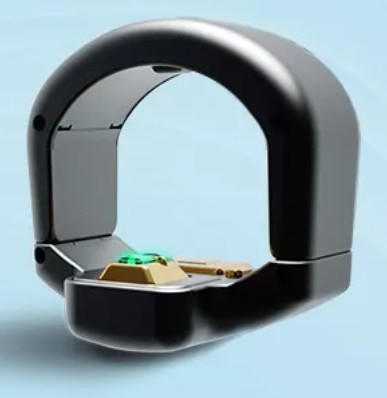
Recording of respiratory and cardiac parameters during sleep. Primarily intended for the screening of obstructive sleep apnoea.
The most comprehensive sleep examination. It accurately diagnoses respiratory disorders, severe insomnia, parasomnias and restless legs syndrome.
CIRCASLEEP combines the gold-standard non-pharmacological and medical treatments, prescribed and monitored by our team.
Cognitive behavioural therapy for insomnia. A structured programme of 6 to 8 individual sessions (45–60 min) aimed at restoring natural sleep without dependence on sleeping pills.
Delivers pressurised air during sleep to keep the airways open. Eliminates apnoeas and reduces snoring and cardiovascular risk.
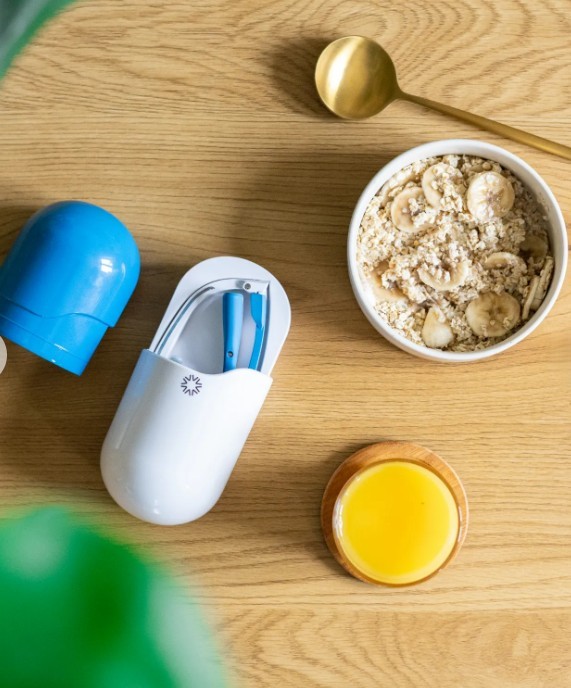
The Oniris+ device holds the lower jaw forward to prevent airway obstruction. Thermo-mouldable, adjustable and comfortable.
AYO glasses emit controlled blue light (20 min/day in the morning). The AYO+ models combine stimulating blue light and relaxing red light to regulate the body clock.

Explore the assessments
Our specialties
Sleep centre · Sleep apnoea · Insomnia & CBT-I · Pulmonologist Brussels · Allergist Brussels · Respiratory physio · COPD · Sports physician · Dietitian · Neuropsychologist · Asthma · Snoring · VO2max · Excess weight
Page updated on 26 September 2026.