At CIRCAE, in Woluwe-Saint-Lambert (Brussels), our neuropsychologists specialise in cognitive behavioural therapy for insomnia (CBT-I), the gold-standard care for regaining natural sleep, in individual sessions, and for supporting withdrawal from sleeping pills.
Improve the quality and regularity of sleep
Reduce cardio-neuro-vascular risks
Restore daytime energy and alertness
Achieve a lasting improvement in quality of life
The neuropsychologist looks at the links between the brain, behaviour and sleep. At CIRCAE, in Woluwe-Saint-Lambert (Brussels), our neuropsychologists specialise in cognitive behavioural therapy for insomnia (CBT-I): a structured, scientifically validated approach that targets the causes of insomnia rather than masking the symptoms.
Care is for anyone with chronic insomnia, including those taking sleeping pills, and helps establish natural sleep for the long term, in individual sessions.
The main areas of neuropsychology care at the centre.
A structured programme acting on sleep schedules, bedtime thoughts and anxiety, to regain natural sleep.
CBT-I is offered in individual sessions, with follow-up tailored to your pace and situation.
Gradual, supervised reduction of hypnotics, safely, using behavioural tools.
Assessment of the behavioural and cognitive factors of sleep to tailor your care.
Specialised in CBT for insomnia.
Neuropsychological assessment of sleep and support through CBT-I.
Before or during care, a sleep recording may be offered to rule out another cause (apnoea, restless legs), together with the sleep physician.
A meeting with two sleep experts to assess the type of disorder and the need for an in-depth assessment.
A simple examination carried out at home using a discreet finger ring. It assesses overnight desaturations and the cardiovascular risk associated with apnoea.

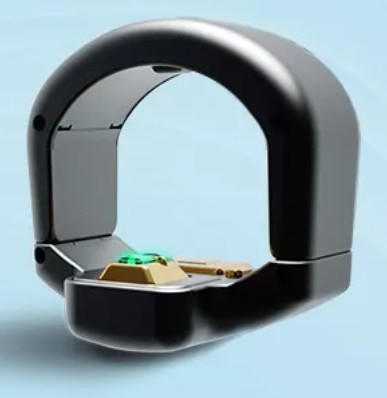
Recording of respiratory and cardiac parameters during sleep. Primarily intended for the screening of obstructive sleep apnoea.
The most comprehensive sleep examination. It accurately diagnoses respiratory disorders, severe insomnia, parasomnias and restless legs syndrome.
Depending on your situation, other non-pharmacological approaches can support the return to natural sleep.
Cognitive behavioural therapy for insomnia. A structured programme of 6 to 8 individual sessions (45–60 min) aimed at restoring natural sleep without dependence on sleeping pills.
Delivers pressurised air during sleep to keep the airways open. Eliminates apnoeas and reduces snoring and cardiovascular risk.
The Oniris+ device holds the lower jaw forward to prevent airway obstruction. Thermo-mouldable, adjustable and comfortable.
AYO glasses emit controlled blue light (20 min/day in the morning). The AYO+ models combine stimulating blue light and relaxing red light to regulate the body clock.


Explore the assessments
Our specialties
Sleep centre · Sleep apnoea · Insomnia & CBT-I · Pulmonologist Brussels · Allergist Brussels · Respiratory physio · COPD · Sports physician · Dietitian · Neuropsychologist · Asthma · Snoring · VO2max · Excess weight
Page updated on 26 September 2026.